Nose Surgery
Reshape, refine, and restore function to your nose with personalized rhinoplasty and nasal surgery performed by board-certified plastic surgeons — balancing your nose with the rest of your face while protecting how you breathe.
Nose surgery, shaped around your face — not a template
The nose is the centrepiece of the face, so even small changes to its size, angle, or shape can shift the balance of your whole profile. At Bangladesh Cosmetic Surgery, nose surgery starts with a detailed facial assessment — not a one-size-fits-all mould — so the result looks like a natural, better version of you.
Depending on your goals and anatomy, treatment may involve reshaping the cartilage and bone (rhinoplasty), correcting a deviated septum for easier breathing, revising a previous nose surgery, or narrowing the nostril base. Every plan is built around what you want to change and what needs to stay the same.
- A visible bump, dip, or asymmetry along the bridge
- A nose that feels too large, too wide, or out of proportion
- Breathing difficulty from a deviated septum or narrow airway
- Changes from a previous injury or an earlier nose surgery

Procedures under Nose Surgery
"Nose" covers a family of related procedures. Your surgeon will recommend the right one, or combination, at your consultation.
Cosmetic Rhinoplasty
Reshapes the bridge, tip, or nostrils for improved facial balance.
Revision Rhinoplasty
Corrects or refines the outcome of a previous nose surgery.
Nose Deformity Correction
Addresses congenital or injury-related structural irregularities.
Deviated Nose Correction
Straightens the nasal septum to relieve breathing difficulty.
Septorhinoplasty
Combines cosmetic reshaping with functional airway correction.
Alar Base Reduction
Narrows a wide nasal base for better facial proportion.
Your Nose Surgery Journey
A typical path from first consultation to final results.
Consultation & Assessment
4 things that happen at your first visit
What happens during the first consultation?
Your surgeon reviews your medical history, examines your facial structure, and listens to what you'd like to change — this sets the direction for everything that follows.
What does the breathing evaluation involve?
A quick airway assessment checks whether a deviated septum or narrow passage is affecting your breathing, so it can be addressed alongside any cosmetic goals.
What should I bring or prepare?
Photos of noses you like or dislike, a list of current medications, and any prior surgical or injury history help your surgeon understand your goals faster.
How is my facial anatomy assessed?
Photographic analysis and, where needed, imaging are used to map your bone and cartilage structure against the rest of your facial proportions.
How is open vs. closed technique decided?
The choice depends on how much reshaping is needed — closed suits smaller refinements, while open gives more visibility for complex or revision work.
How is the plan tailored to my anatomy?
Your surgeon plans around your existing bone, cartilage, and skin thickness so the result looks proportionate to your face rather than a generic shape.
Will my breathing goals be addressed in the plan?
Yes — if a deviated septum or airway issue was identified at consultation, functional correction is built into the same surgical plan.
What does the final surgical plan include?
A clear outline of the technique, expected changes, anesthesia type, and a realistic recovery timeline specific to your case.
What anesthesia is used?
Most nose surgery is performed under general anesthesia, administered and monitored by a qualified anesthesia team throughout the procedure.
How long does the procedure take?
Typically 1–3 hours, depending on whether the surgery is purely cosmetic, functional, or a combined and more complex revision case.
What happens in the operating room?
Surgery takes place in an accredited operating room, with your surgeon reshaping cartilage and bone according to the plan agreed beforehand.
Who is on the surgical team that day?
Your lead surgeon, an anesthesia specialist, and trained surgical staff are present throughout, with vitals monitored continuously.
When is the splint removed?
Usually within about a week after surgery, at a follow-up visit where your surgeon also checks on healing progress.
How long until swelling settles?
Most visible swelling fades over the first few months, though subtle refinement — especially at the tip — can continue for up to a year.
What follow-up visits are scheduled?
Check-ins are scheduled at key healing milestones so your surgeon can track progress and address any concerns early.
When can I return to normal activities?
Most patients return to non-strenuous work in 7–10 days; strenuous exercise and contact sports are usually paused for several weeks longer.
Led By Board-Certified Surgeons
Your nose surgery is planned and performed by our senior plastic surgery team.
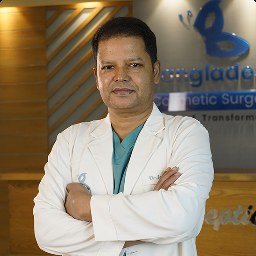
Dr. Iqbal Ahmed